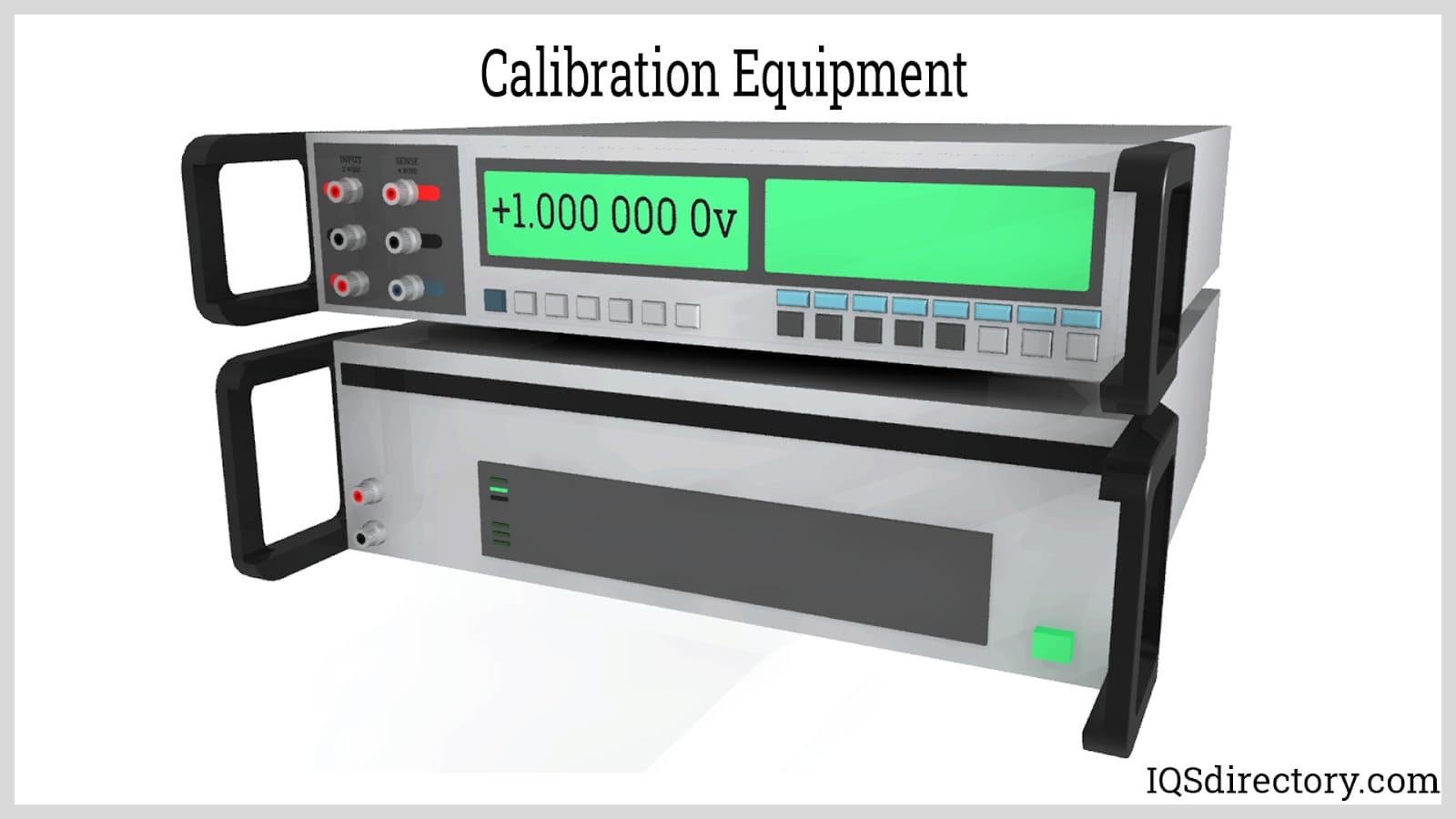
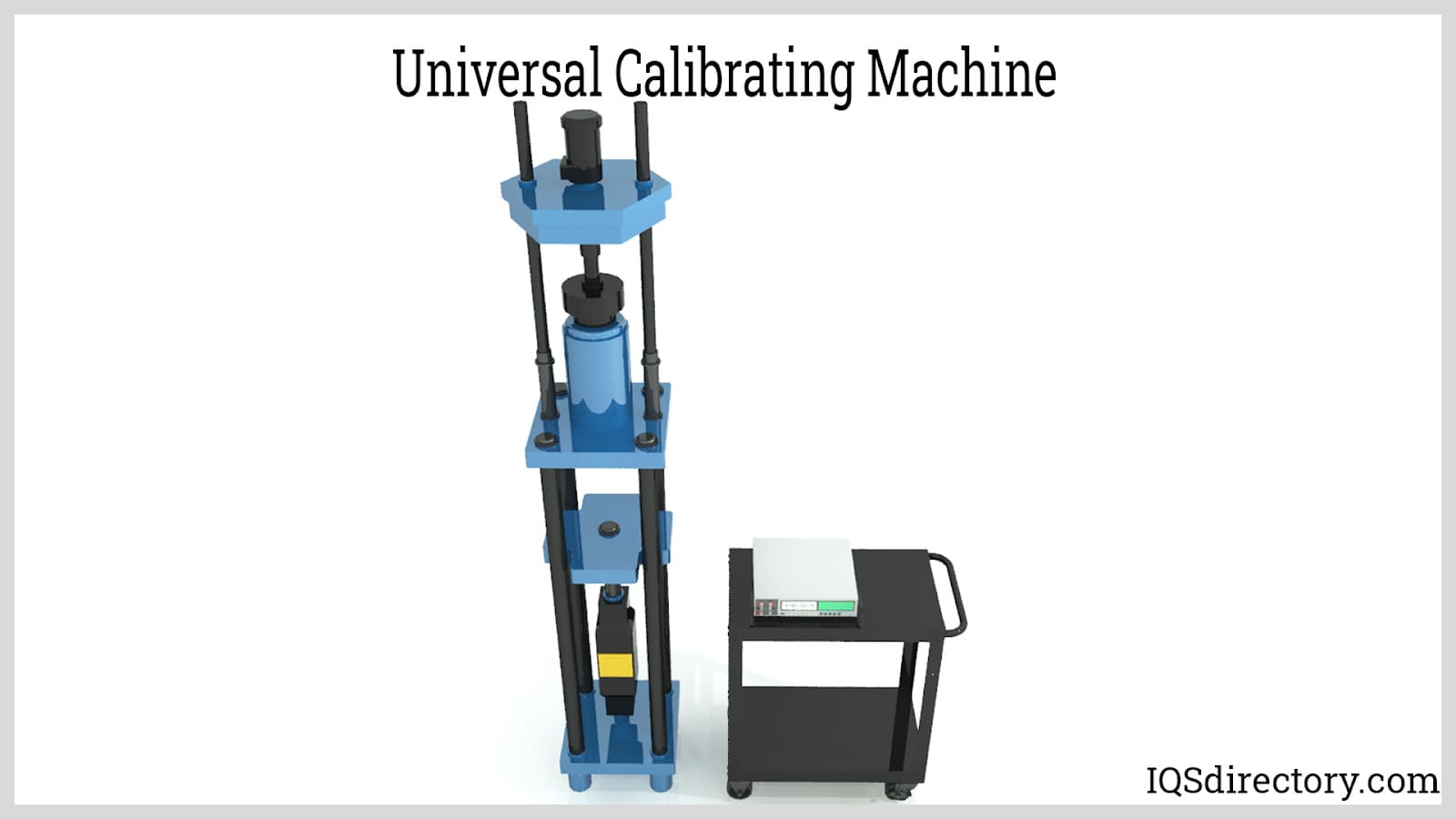
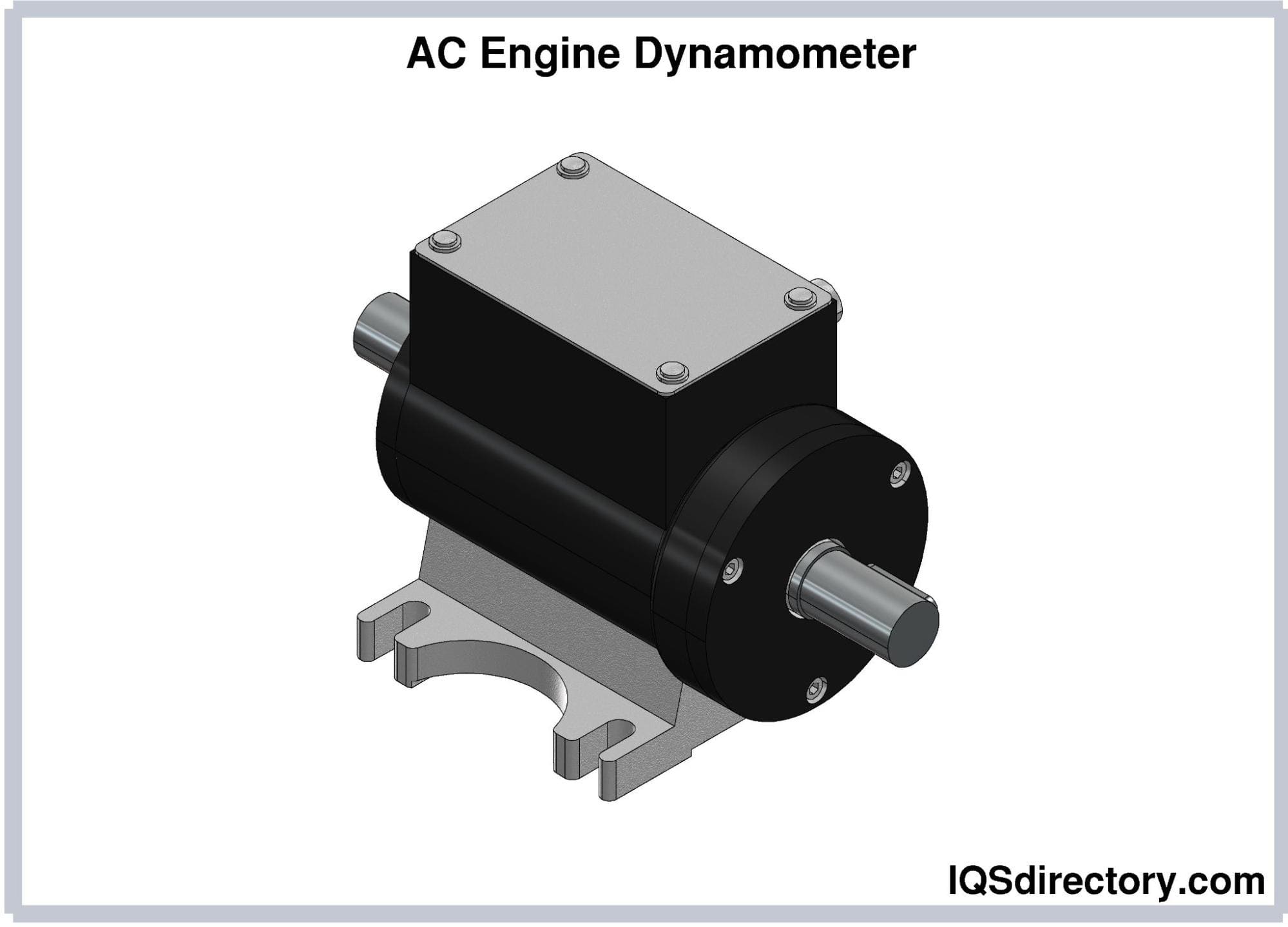
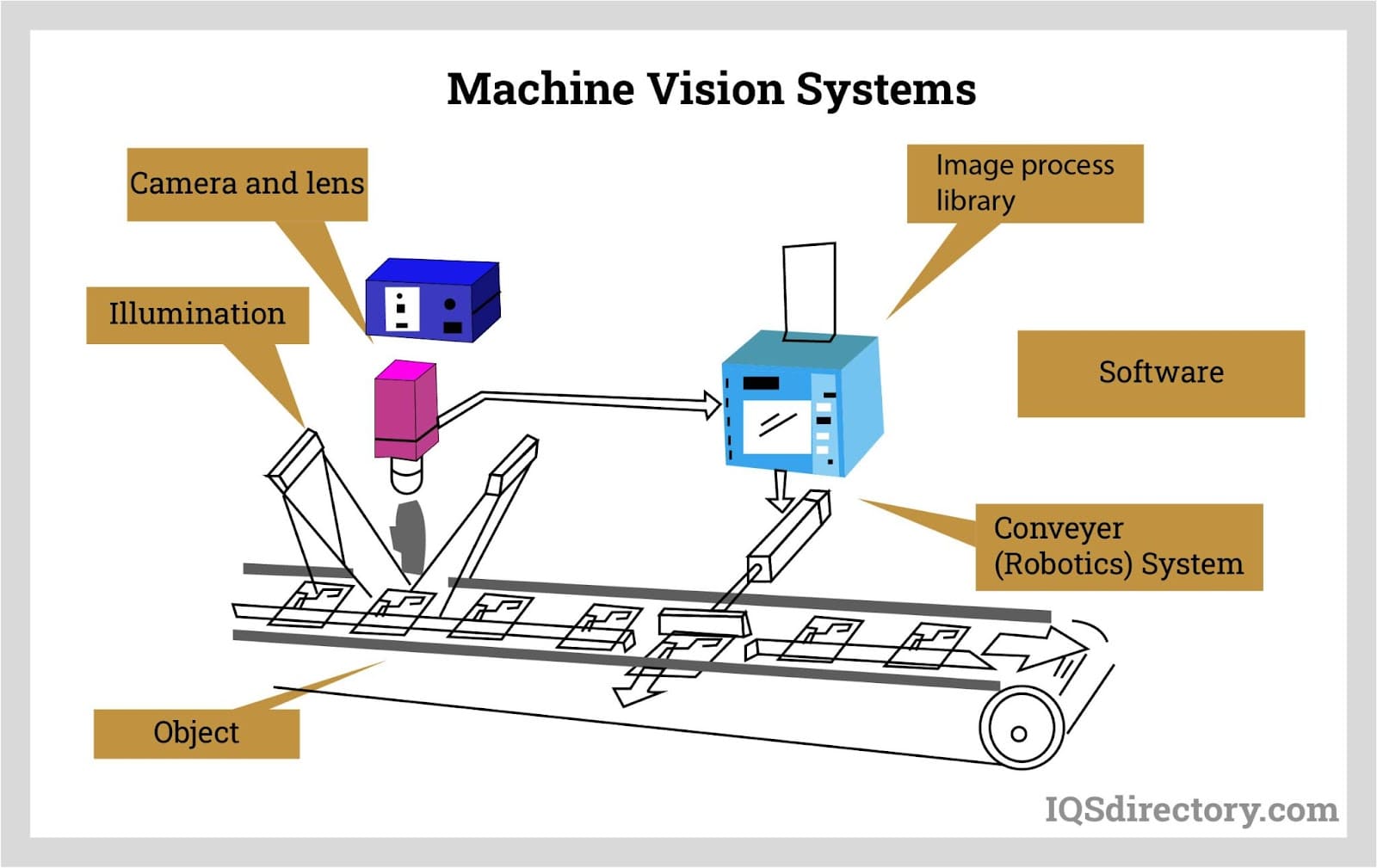
Speedometer calibration is the process of adjusting a speedometer to ensure that it accurately displays the speed of a vehicle. The general purpose of speedometer calibration is to improve the accuracy and reliability of speed measurement, which enhances safety on the road and ensures compliance with legal requirements and regulations. Read More…
Custom Calibration specializes in on-site and laboratory calibration which will keep costly equipment downtime to a minimum and maximize your overall productivity. We have over 30 years of experience providing calibration services for mechanical, dimensional, scale, torque, humidity, and many more applications. Our company’s mission is to achieve total customer satisfaction by providing prompt, ...

ISO/IEC 17025:2017 & ANSI/NCSL Z540.3 Accredited Laboratory. Electronic, dimensional, physical and thermodynamic calibrations performed onsite and in our lab. Professional ASQ Certified Calibration Technicians. We support the manufacturing and service sectors including; aerospace, automotive, chemical, electronic equipment, energy, food, industrial, machinery, medical, metal, military, nuclear,...
At MSI-Viking Gage, LLC, we are dedicated to providing industry-leading calibration services that are both comprehensive and adaptable to meet the diverse needs of our clients. With extensive ISO 17025 Accredited and ISO 9001 Certified calibration capabilities, we ensure that every measurement and calibration we perform adheres to the highest standards of accuracy and reliability. Our services...

Fox Valley Metrology provides calibration and repair services for various types of measuring instruments, including dimensional, electrical, and mechanical equipment. We have been in the industry for almost 30 years, serving clients across various industries, including aerospace, automotive, medical, and manufacturing. We aim to provide quality and accurate calibration services that meet or...

Standard Calibrations offers quality calibrating services, gage calibration services and more. We offer calibrating services that will handle your needs from the smallest meter to complete propulsion control systems. We have a calibration laboratory and pressure calibration devices to serve you.
At Advanced Measurement Streamlined Precision, we dedicate ourselves to delivering calibration services that ensure accuracy, reliability, and consistency across a wide range of instruments and equipment. We recognize that precise measurement is the backbone of any technical operation, and we approach each project with the goal of providing confidence in every reading.
Sierra provides accurate calibration services for mass flow meters and controllers, insertion thermal flow meters, vortex, and ultrasonic flow meters. With more than 40 years of expertise in gas, air, or liquid flow calibration, you can count on our team to make sure your flow meter operates with efficiency and pinpoint accuracy. We believe in providing personalized and customized service, and...


More Speedometer Calibration Manufacturers
Process of Speedometer Calibration
The speedometer calibration process is a precise procedure essential for ensuring the accuracy of a vehicle’s speed display. Whether you own a car, truck, motorcycle, or specialty vehicle, having a properly calibrated speedometer is crucial for legal compliance, safety, and optimal vehicle performance. Let’s break down the steps involved in calibrating a speedometer:
- Initial Testing: The speedometer’s current accuracy is assessed by comparing its readings to a verified reference—commonly a GPS device, radar gun, or chassis dynamometer. This step is vital for identifying discrepancies between indicated speed and actual speed.
- Adjustment: Depending on the results of the initial test, adjustments are made to the speedometer. For mechanical speedometers, this often includes changing the speedometer cable, gear, or drive ratio. For electronic speedometers, recalibration may require modifying settings in the vehicle’s onboard computer or using specialized diagnostic software.
- Verification: After adjustments, the calibration is checked again—repeating the comparison with the reference device. This ensures the speedometer now accurately reflects the true speed of the vehicle.
- Documentation: Calibration results are documented for regulatory or legal compliance, particularly for commercial fleet vehicles, law enforcement vehicles, or when required by insurance providers.
Looking to calibrate your speedometer? Ask yourself: What type of speedometer do I have (mechanical or electronic)? Do I need calibration for personal use, commercial compliance, or after installing custom wheels or tires? Understanding your needs helps determine the most effective calibration approach.
Variations in the Process Based on Specific Applications
The speedometer calibration process varies by industry, application, and the type of speedometer in use. Let’s explore some of these differences:
- Automotive Speedometers: Cars and trucks use either mechanical or electronic speedometers. Mechanical speedometers rely on a cable attached to the vehicle’s transmission, while electronic speedometers use wheel or transmission sensors paired with the vehicle’s ECU (Engine Control Unit). Calibration methods differ accordingly, with mechanical units often requiring physical gear changes and electronic units needing software adjustments.
- Aviation Applications: Aircraft speedometers, or airspeed indicators, use pitot-static systems to measure airspeed rather than ground speed. Calibration involves specialized equipment and must adhere to aviation authority standards (such as FAA regulations).
- Marine Speedometers: Boats use paddlewheel or pitot tube speedometers, which require aquatic environment calibration and compensation for water drag and currents.
- Railway and Industrial Applications: Locomotives and heavy machinery employ robust speed measurement instruments, often requiring field calibration and regular maintenance due to harsh operating environments.
Curious about your specific situation? What type of vehicle or equipment are you calibrating? Is it subject to particular regulatory standards? Answering these questions narrows down the best calibration method and ensures regulatory compliance.
Considerations Regarding Speedometer Calibration
Achieving accurate speedometer calibration depends on several factors. Key considerations include:
- Tire Size: Changes to tire diameter, such as installing larger or smaller wheels, will directly affect speedometer readings. This is a common reason for recalibration after vehicle customization.
- Gear Ratio: Altering the differential or transmission gear ratios impacts the relationship between wheel rotations and indicated speed.
- Transmission Type: Vehicles with manual or automatic transmissions may require different calibration techniques due to varying mechanical linkages and sensor placements.
- Environmental Factors: Exposure to vibration, extreme temperatures, or moisture can degrade speedometer accuracy over time. Fleet vehicles, off-road vehicles, and those operating in harsh environments should have regular calibration checks.
- Legal and Regulatory Requirements: Many jurisdictions mandate speedometer accuracy within a specific tolerance (often ±4% of actual speed). Commercial, police, or emergency vehicles may be subject to even stricter standards.
How often should you calibrate your speedometer? For most drivers, calibration is recommended after tire, wheel, or drivetrain modifications, or annually for commercial and high-use vehicles. If you notice irregular readings or have received a speeding violation and suspect your speedometer is inaccurate, consider a professional calibration service immediately.
Benefits of Speedometer Calibration
Proper speedometer calibration delivers numerous advantages for vehicle owners, fleet managers, and operators across industries. Benefits include:
- Enhanced Road Safety: Accurate speed measurement reduces accident risks by ensuring you’re aware of your true speed, enabling better decision-making and adherence to speed limits.
- Legal Compliance: Avoid costly fines, penalties, or failed inspections by ensuring your vehicle’s speedometer meets regulatory requirements for accuracy.
- Optimized Fuel Efficiency: Driving at the correct speed helps prevent unnecessary acceleration, reducing fuel consumption and environmental impact.
- Insurance and Liability Protection: Accurate calibration can be used as legal evidence in disputes over speeding tickets or accident investigations, potentially protecting you from unjust penalties.
- Resale Value: A well-documented calibration history can increase your vehicle’s resale value and reassure buyers of its maintenance quality.
- Fleet Management: For businesses, regular calibration ensures vehicles in your fleet remain compliant and efficient, reducing operational costs and risk exposure.
Wondering if calibration is worth it? Think about your driving habits, the age and condition of your vehicle, and your risk tolerance for inaccurate readings. Regular calibration is a small investment that can yield significant long-term rewards.
Applications of Speedometer Calibration
Speedometer calibration services are essential across a diverse range of industries and vehicle types. Key use cases include:
- Personal Vehicles: Car and motorcycle owners calibrate speedometers following tire or wheel changes, transmission replacements, or after performance upgrades.
- Commercial Fleets: Delivery vans, trucking companies, and service vehicles require routine calibration for regulatory compliance and insurance purposes.
- Law Enforcement and Emergency Vehicles: Police cruisers, ambulances, and fire trucks depend on precise speedometer readings for accurate reporting and safe response.
- Aviation: Aircraft speedometer (airspeed indicator) calibration is critical for flight safety and regulatory certification.
- Marine: Boats, ships, and personal watercraft must calibrate speedometers to account for water resistance and ensure safe navigation.
- Railways: Trains and maintenance vehicles depend on reliable speed measurement to maintain schedules and comply with safety standards.
- Sports and Recreation: Calibration of speedometers on bicycles, ATVs, racing vehicles, and athletic equipment provides athletes with precise performance data.
- Industrial Equipment: Construction and mining vehicles require speedometer calibration to ensure operator safety and comply with site regulations.
Searching for a calibration solution for your specific application? Identify your industry, equipment type, and compliance requirements to find a speedometer calibration provider with relevant experience.
Equipment and Personnel Needed for Speedometer Calibration
The tools for speedometer calibration vary based on the type of speedometer and the application. Key equipment and expertise needed include:
- Mechanical Speedometer Calibration:
- Speedometer test bench or dynamometer
- Calibration gears, cables, and mechanical adapters
- Handheld GPS or certified reference speed device
- Electronic Speedometer Calibration:
- Vehicle diagnostic scanner or OBD-II tool
- Specialized calibration software
- Certified signal generators
- Personnel Qualifications:
- Automotive technicians trained in speedometer calibration procedures
- Certified calibration specialists for aviation, marine, or industrial applications
- Understanding of relevant regulatory standards and safety protocols
Not sure what equipment you need? Consult a professional calibration service to assess your specific speedometer type and application requirements.
In-House Calibration vs. Calibration Services
When considering whether to perform speedometer calibration in-house or to outsource to a professional calibration service, it’s important to weigh the advantages and decision factors for each option.
In-House Calibration
- Control: Direct oversight of calibration procedures and documentation.
- Cost Savings (Long-Term): For organizations with frequent calibration needs and trained staff, investing in equipment can be cost-effective over time.
- Customization: Ability to tailor procedures for unique vehicle modifications or testing requirements.
- Limitations: Upfront investment in equipment, ongoing training, and the risk of inconsistent results without standardized processes.
Calibration Services
Calibration services offer distinct benefits:
- Expertise: Service providers specializing in speedometer calibration employ experienced technicians with access to advanced tools and up-to-date knowledge of regulatory requirements.
- Time Savings: Outsourcing allows internal staff to focus on core business operations while experts handle calibration efficiently.
- Specialized Equipment: Service providers often possess high-precision calibration equipment not available in most workshops.
- Regulatory Compliance: Many industries mandate traceable calibration records. Professional services provide certification, ensuring you meet local, state, federal, or industry standards.
- Cost Savings (Short-Term): For businesses with infrequent calibration needs, outsourcing eliminates the need for costly equipment purchases and ongoing training.
Not sure which option is best for you? Assess your calibration frequency, regulatory needs, available expertise, and budget. For most individuals and smaller organizations, professional calibration services are the most convenient and reliable choice.
Overall, outsourcing speedometer calibration is a smart decision for those who value precision, compliance, and operational efficiency.
Choosing the Right Speedometer Calibration Service
Selecting the best speedometer calibration company for your needs involves careful research and comparison. Here’s how to make an informed decision:
- Research Providers: Use our directory of speedometer calibration services to view business profiles, specialties, and areas of expertise.
- Review Credentials: Ensure the provider employs certified technicians and possesses relevant industry accreditations (e.g., ISO 17025, NIST traceability).
- Evaluate Experience: Consider providers with demonstrated experience in your specific application—automotive, aviation, marine, or industrial.
- Examine Tools and Technology: Leading providers invest in state-of-the-art calibration equipment and follow standardized processes to ensure precise results.
- Check Customer Reviews: Look for testimonials, case studies, or online reviews to gauge reliability, responsiveness, and customer satisfaction.
- Request Quotes: Use our simple RFQ (Request for Quote) form to contact multiple companies and compare pricing, turnaround time, and included services.
Each speedometer calibration service listed in our directory has a business profile highlighting their capabilities and experience, along with a contact form for direct inquiries or quote requests. Our patented website previewer lets you quickly assess each company’s specialization before reaching out.
Ready to find the right provider? Start by identifying your calibration needs, then use our directory and RFQ tools to streamline your search for the most qualified and cost-effective calibration partner.
Frequently Asked Questions About Speedometer Calibration
- How do I know if my speedometer needs calibration? If you’ve changed tire size, performed drivetrain modifications, notice inconsistent speed readings, or have received a speeding ticket you believe is unjust, a calibration check is recommended.
- How long does speedometer calibration take? Most calibrations can be completed in 30–90 minutes, depending on the vehicle type and calibration method.
- Is calibration required by law? Many regions require vehicles to have speedometers within a specific accuracy range. Commercial and fleet vehicles are often subject to stricter mandates.
- Can I calibrate my speedometer myself? DIY calibration is possible for some mechanical speedometers, but professional calibration is recommended for accuracy, compliance, and certification—especially for commercial, law enforcement, or specialized vehicles.
- What documentation will I receive? Professional services provide a calibration certificate, including before-and-after readings, test equipment details, and technician signatures for legal and regulatory compliance.
Get Started With Professional Speedometer Calibration
Ensuring the accuracy of your speedometer is essential for safety, compliance, and optimal vehicle performance. Whether you’re a car enthusiast, a business owner managing a fleet, or an operator in aviation, marine, or industrial sectors, professional speedometer calibration services offer precision and peace of mind.
Take the next step: Browse our directory of qualified speedometer calibration companies, review their specialties, and request quotes to find the perfect match for your needs. If you have questions, use our contact form or explore our in-depth guides to learn more about calibration methods, equipment, and industry standards.
Stay compliant, drive safer, and get the most from your vehicle or equipment with expert speedometer calibration.