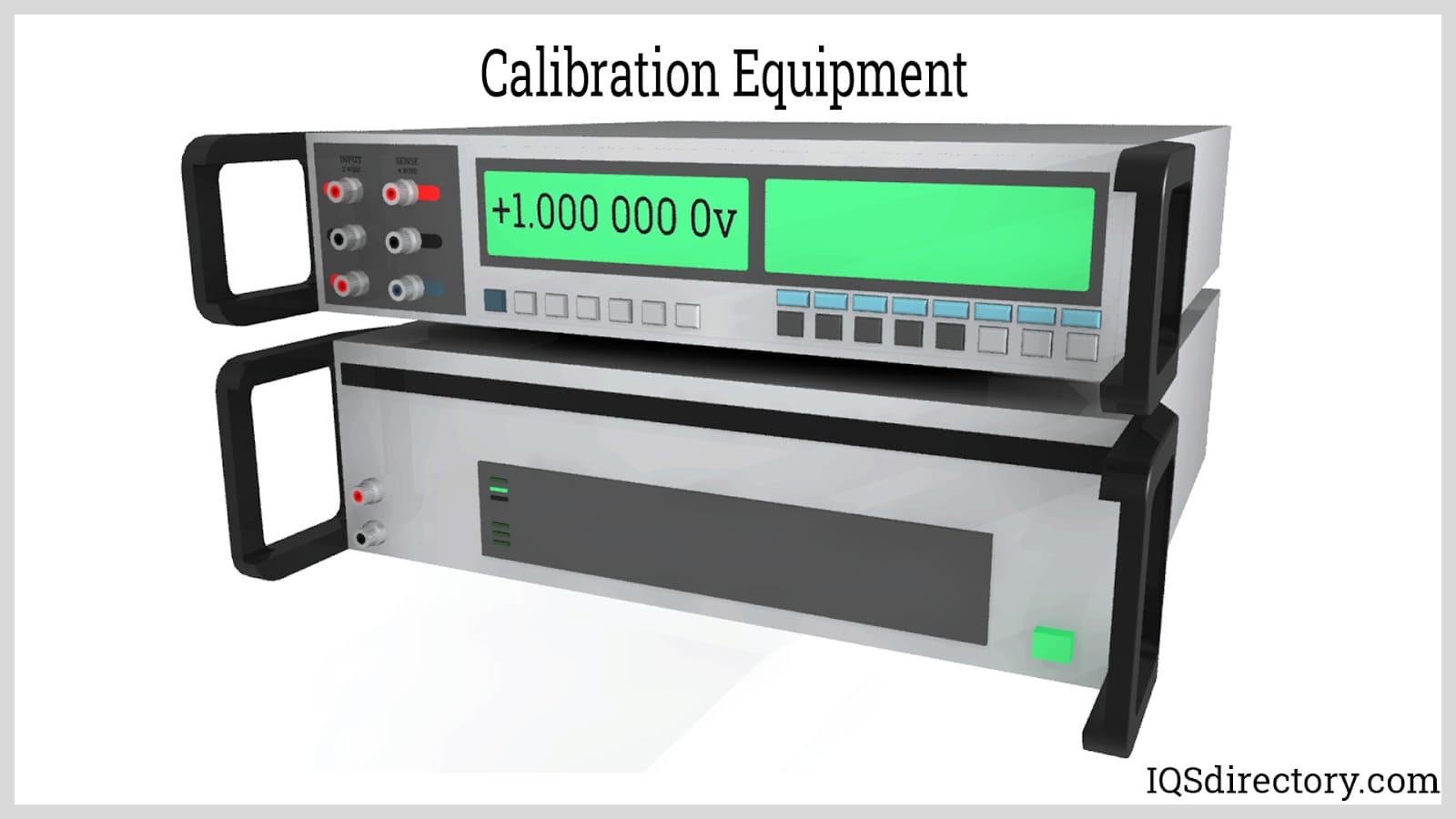
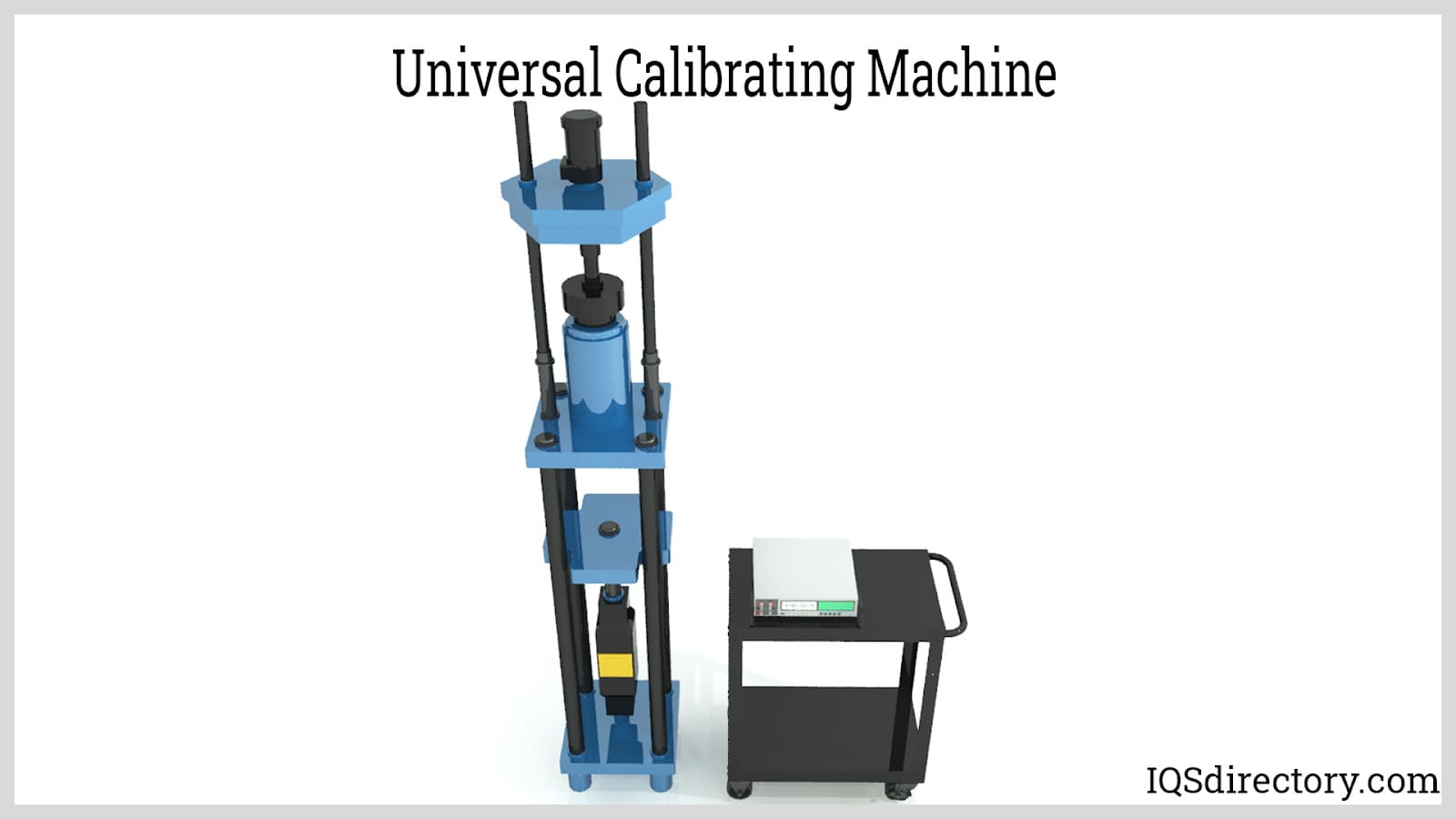
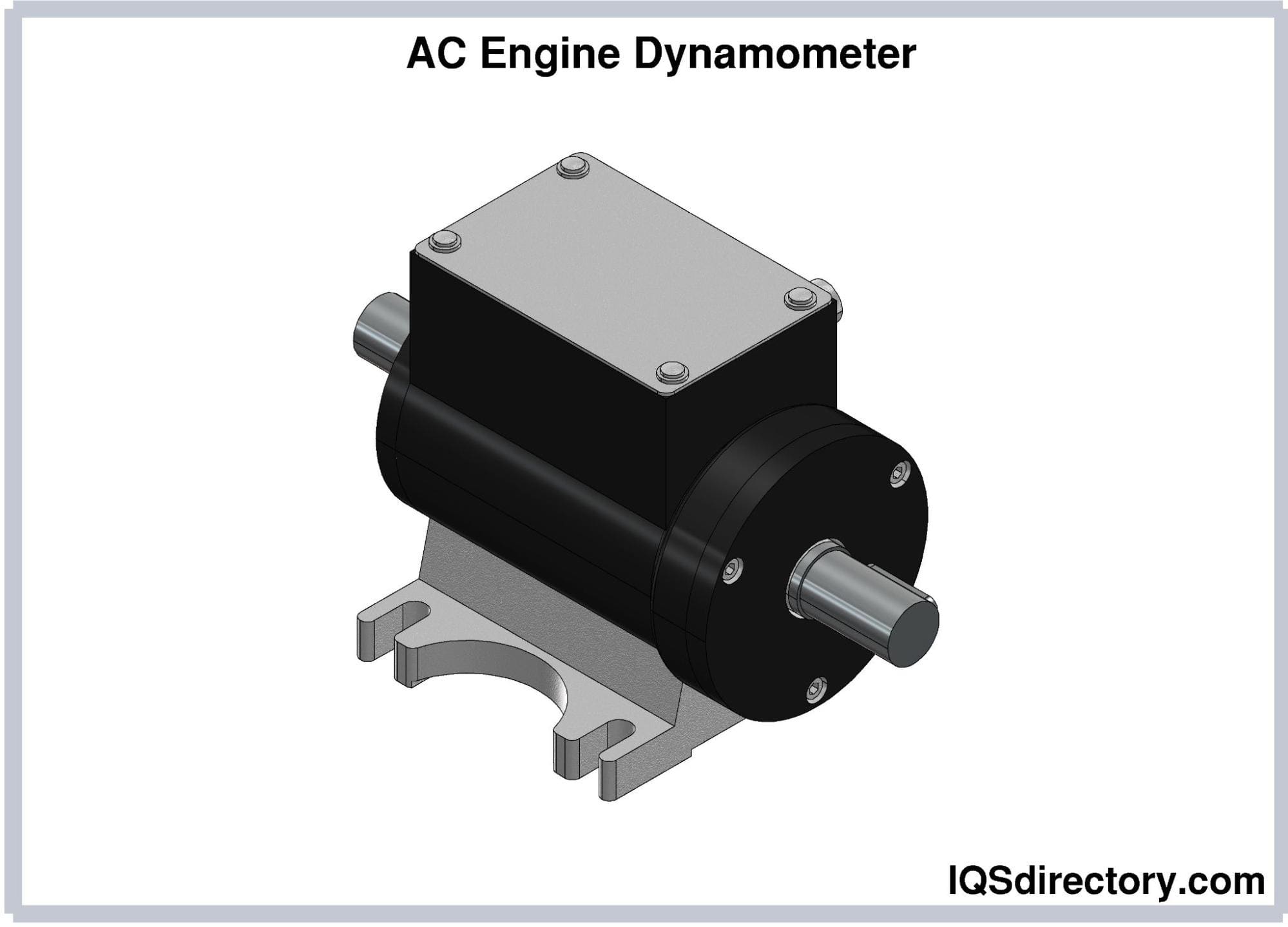
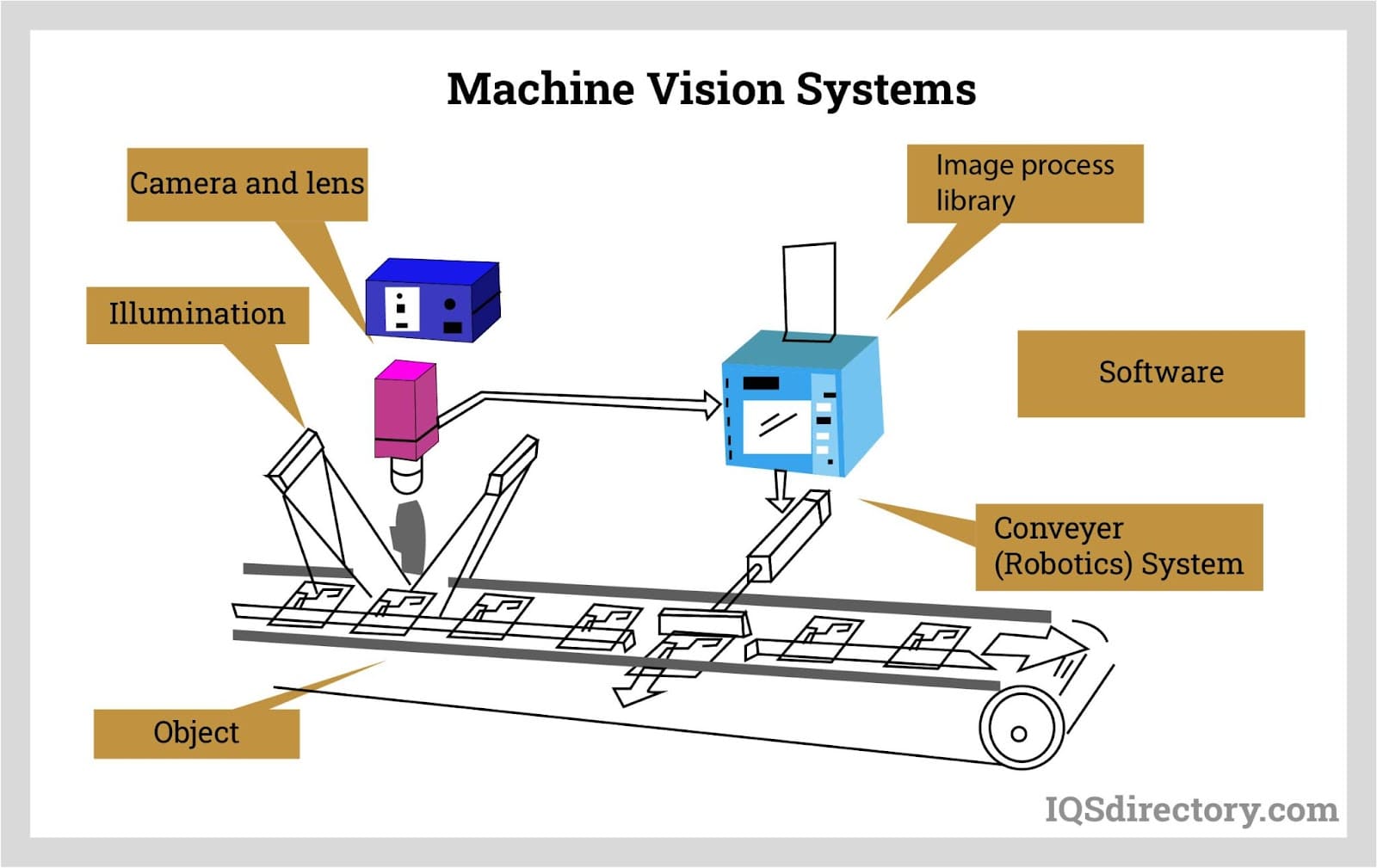
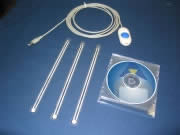
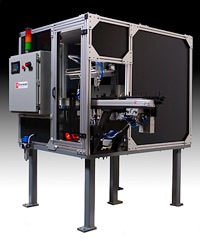
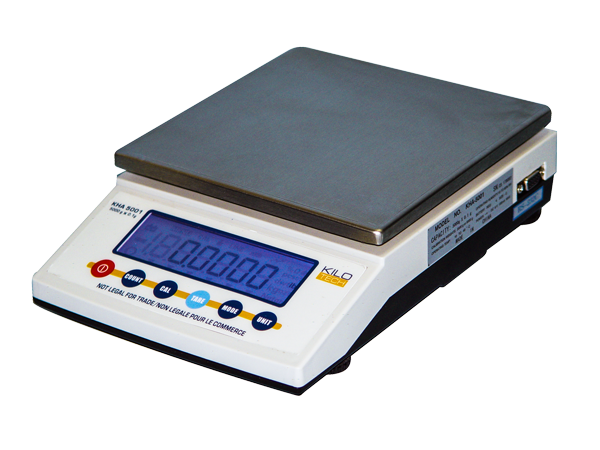
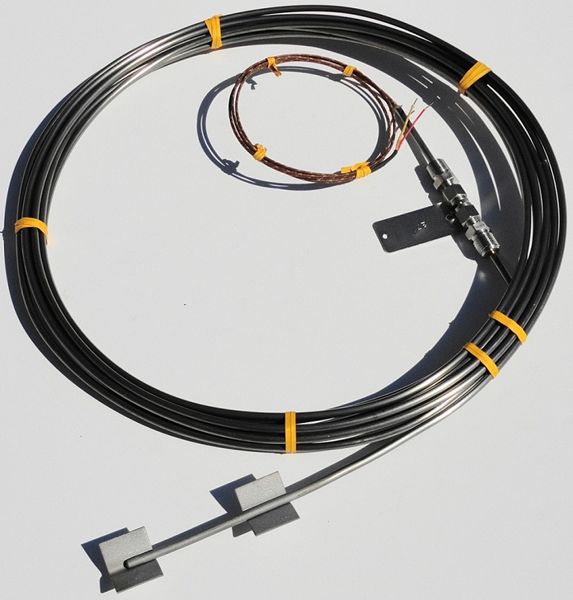
During load cell calibration, a device with a standard measurement is attached to the transducer. Its reading is compared to the reading of the load cell; ideally, both the calibrating device and the transducer will have the same measurement. If not, the operator makes the necessary changes and adjustments before measuring again to ensure that the values are identical. Read More…
Custom Calibration specializes in on-site and laboratory calibration which will keep costly equipment downtime to a minimum and maximize your overall productivity. We have over 30 years of experience providing calibration services for mechanical, dimensional, scale, torque, humidity, and many more applications. Our company’s mission is to achieve total customer satisfaction by providing prompt, ...

ISO/IEC 17025:2017 & ANSI/NCSL Z540.3 Accredited Laboratory. Electronic, dimensional, physical and thermodynamic calibrations performed onsite and in our lab. Professional ASQ Certified Calibration Technicians. We support the manufacturing and service sectors including; aerospace, automotive, chemical, electronic equipment, energy, food, industrial, machinery, medical, metal, military, nuclear,...
At MSI-Viking Gage, LLC, we are dedicated to providing industry-leading calibration services that are both comprehensive and adaptable to meet the diverse needs of our clients. With extensive ISO 17025 Accredited and ISO 9001 Certified calibration capabilities, we ensure that every measurement and calibration we perform adheres to the highest standards of accuracy and reliability. Our services...

Fox Valley Metrology provides calibration and repair services for various types of measuring instruments, including dimensional, electrical, and mechanical equipment. We have been in the industry for almost 30 years, serving clients across various industries, including aerospace, automotive, medical, and manufacturing. We aim to provide quality and accurate calibration services that meet or...

Standard Calibrations offers quality calibrating services, gage calibration services and more. We offer calibrating services that will handle your needs from the smallest meter to complete propulsion control systems. We have a calibration laboratory and pressure calibration devices to serve you.
At Advanced Measurement Streamlined Precision, we dedicate ourselves to delivering calibration services that ensure accuracy, reliability, and consistency across a wide range of instruments and equipment. We recognize that precise measurement is the backbone of any technical operation, and we approach each project with the goal of providing confidence in every reading.
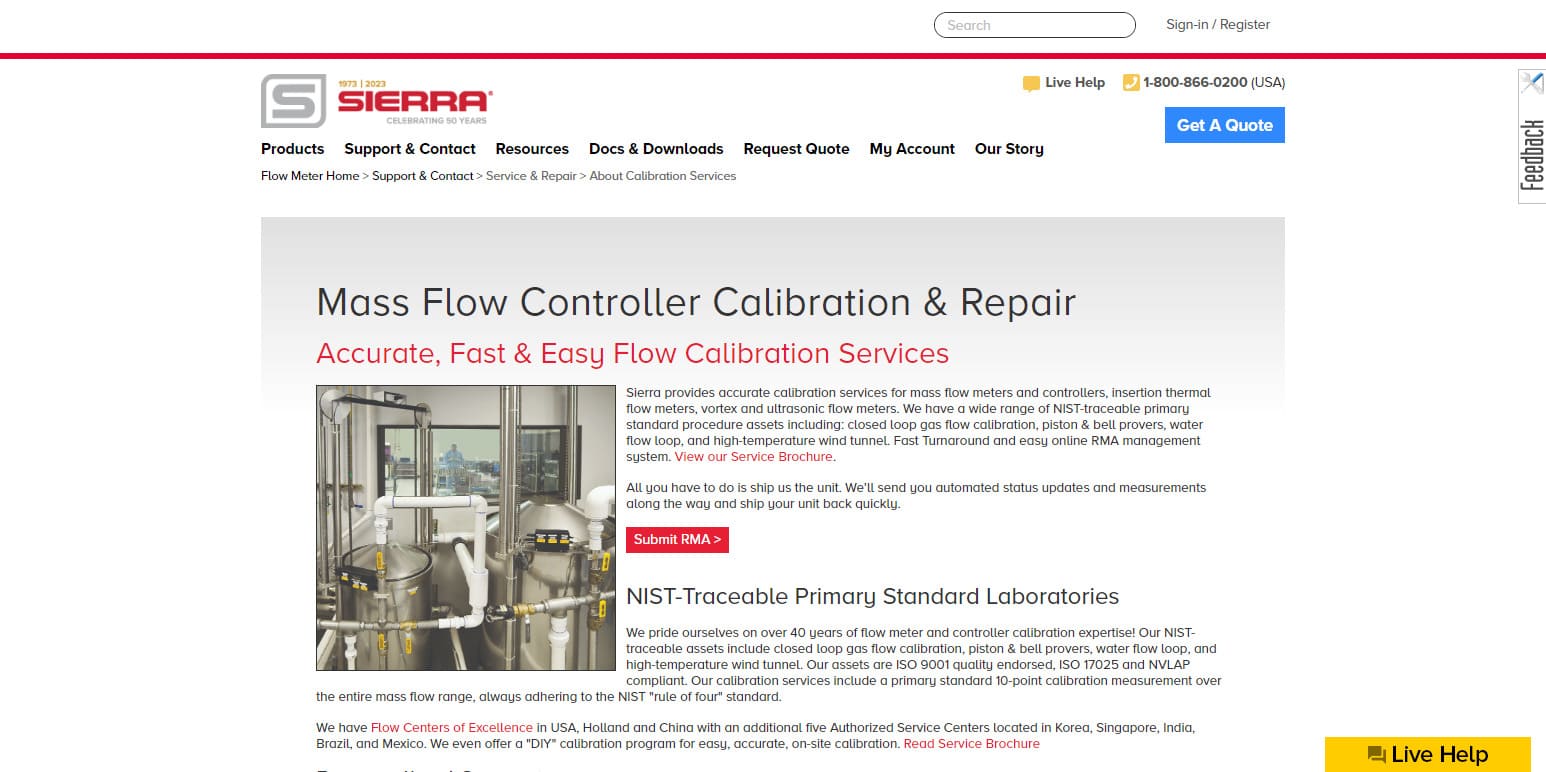
Sierra provides accurate calibration services for mass flow meters and controllers, insertion thermal flow meters, vortex, and ultrasonic flow meters. With more than 40 years of expertise in gas, air, or liquid flow calibration, you can count on our team to make sure your flow meter operates with efficiency and pinpoint accuracy. We believe in providing personalized and customized service, and...



More Load Cell Calibration Manufacturers
 Load Cell Calibration - Strainsense Enterprises, Inc.
This process of calibration is important because accurate and precise readings from the load cell are important and vital to its proper functioning. An incorrect measurement of the electrical signal may be a safety hazard or could lead to equipment damage. Load cells are generally part of larger systems so other decisions are made based on the reading provided by the transducer which is why they must be checked and calibrated regularly.
Regular calibration also maintains quality standards. Calibration is used not only for load cells but with a wide range of equipment and machines as well as for pressure, speedometers, temperature and torque. Load cells are frequently used for large scale weighing in hoppers, for trucks, tank level, in-line force measuring and weighing research.
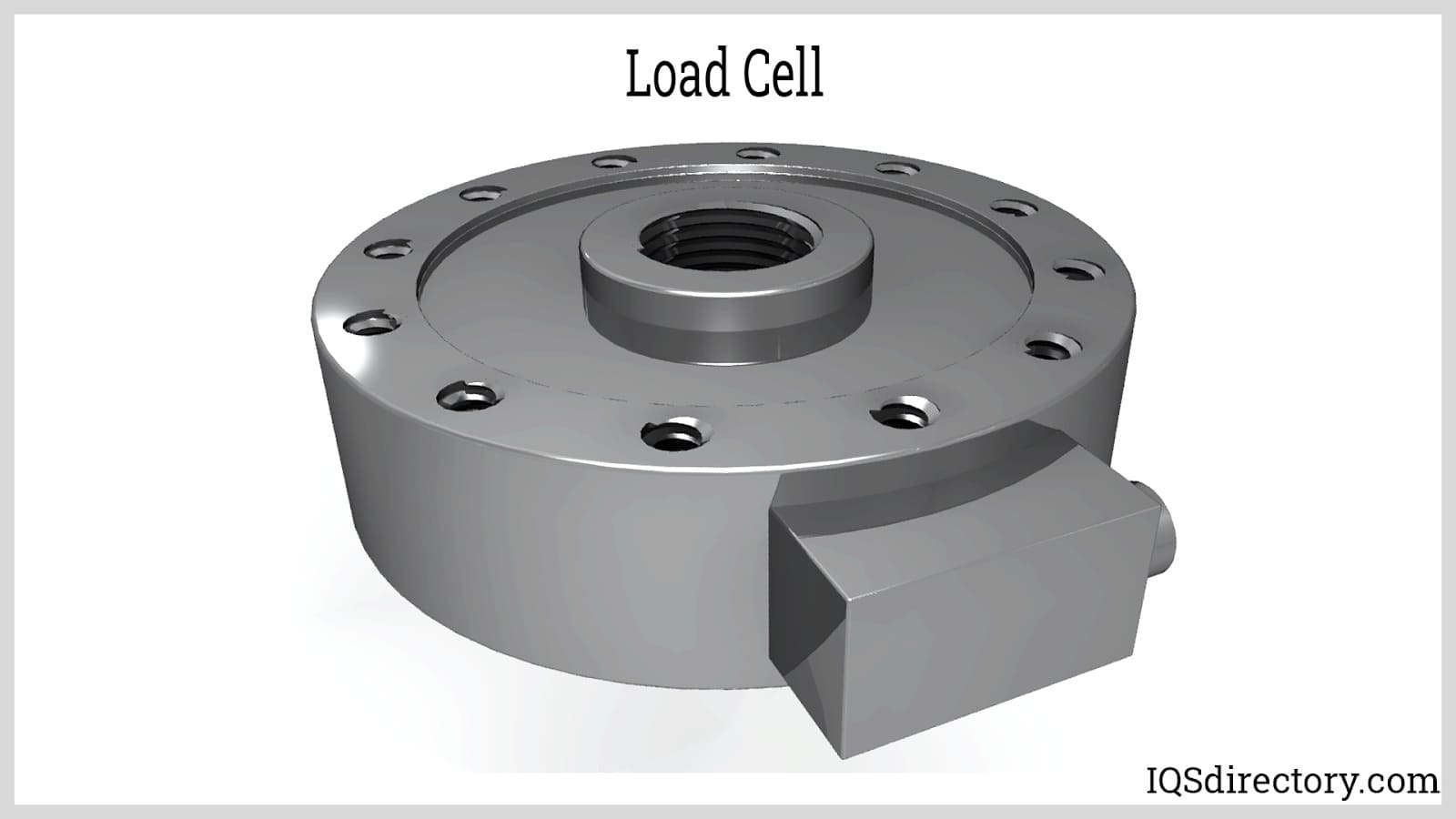
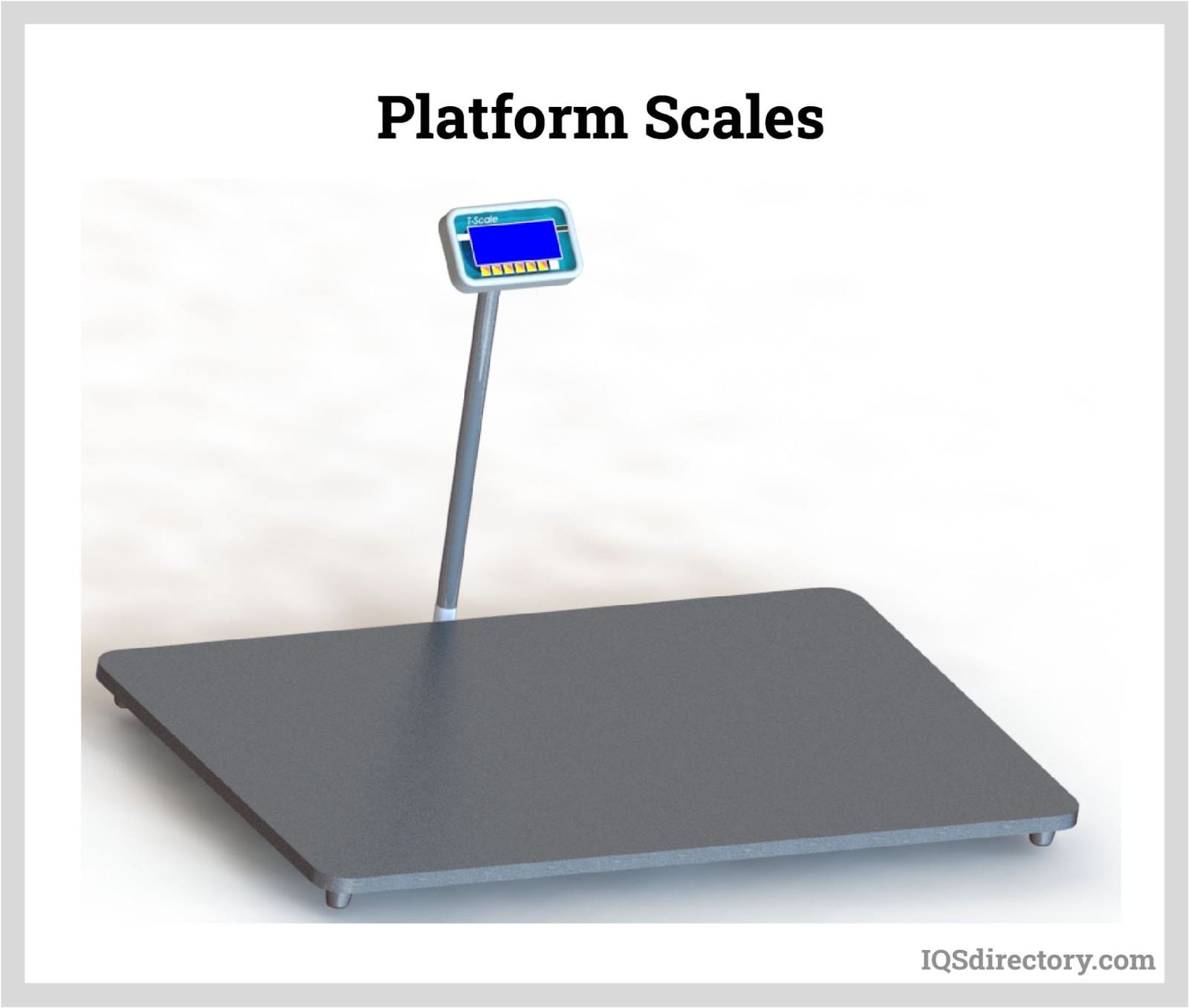
Load cells are available in a variety of styles including S-beam, platform and single point, low profile, compression, compression/tension, bending beam and canister. Some are designed to read the force acting on a button while others have larger parts that are bent; all rely on the physical deformation of strain gauges.
As force is applied to the load cell, a strain gauge is bent. The strain is converted into electrical signals, which are amplified; typically one load cell will have at least four strain gauges. The output is then entered into an algorithm to calculate how much force was applied to the transducer. The gauge inside has a spring-like quality that allows it to bounce back after a load is applied. If the loads are changed abruptly, the gauge may vibrate quickly, a consequence called ringing.
During calibration, a certain load with a known exact weight is placed on the load cell. Like other devices that must be periodically calibrated, the load cell is designed to accept calibration by conducting measurements that are within engineering tolerances when used over time in certain environmental conditions. If the load cell has a flawed design then no amount of calibration can correct it.